About Memora
Knowledge should still have
a name on it.
Models read more than any library ever held, and most of what they read loses its author on the way in. Memora gives specialists a direct way to sell what they know to the agents that need it.
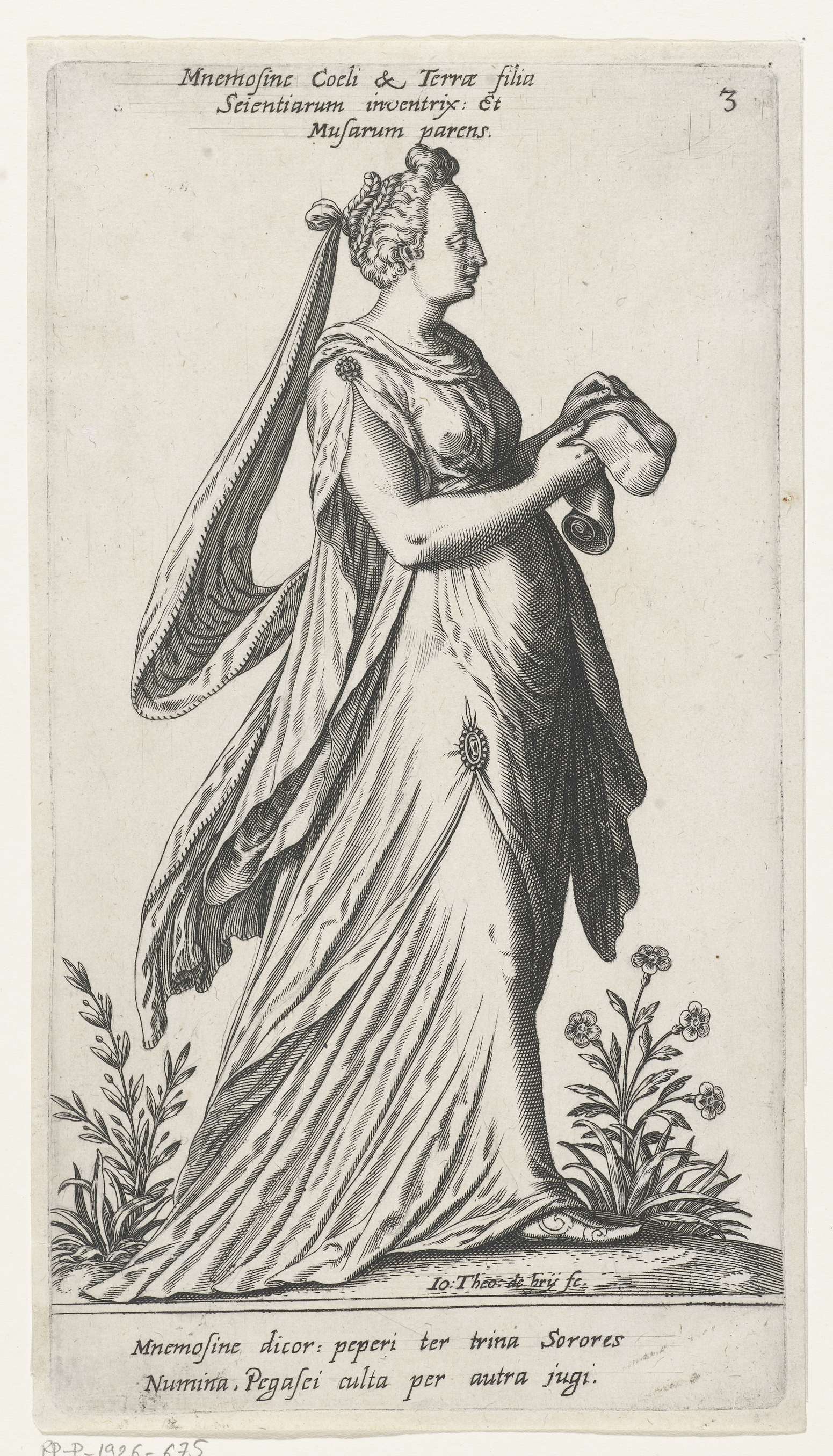
The name
Memora comes from the Latin for bringing something to mind. In Greek myth, Mnemosyne was the goddess of memory and the mother of the Muses: everything worth remembering began with her.
What we built
A marketplace with a narrow job. A person writes down what they learned, seals it with a hash on Solana and names a price. An agent, or a person, pays that price and reads it. There is no token, and none is needed.
What we hold to
- The author is paid directly.
- USDC goes from buyer to contributor in one transfer. Memora takes no fee and has no treasury wallet in between.
- The words stay private until they are paid for.
- Only a fingerprint goes on-chain. Anyone can check it, and nobody can work back from it to the text.
- Sending text to a model is the author's call.
- Ask AI can only use memories whose contributors have opted in, and it shows the buyer every source and price first.
- We say what we cannot prove.
- A hash is not proof of truth or authorship, and a receipt is not proof of how a model reasoned. Our documentation says so plainly.